
When Fear Arrives Suddenly and Feels Overwhelming
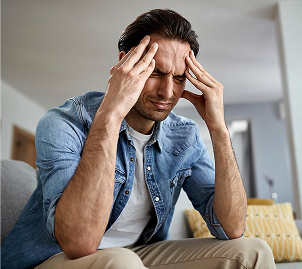
A panic attack can feel frightening, particularly when intense physical sensations appear suddenly and seem difficult to understand or control.
You may experience a racing or pounding heartbeat, sweating, trembling, dizziness, chest discomfort, shortness of breath, nausea or a feeling that you are losing control. Because these sensations can be intense, it is understandable to worry that something may be seriously wrong.
Panic disorder is characterised by recurrent unexpected panic attacks along with ongoing concern about having additional attacks or significant changes in behaviour related to the attacks.
What Is a Panic Attack?
A panic attack is a sudden episode of intense fear or discomfort accompanied by physical and emotional symptoms. The experience can feel extremely real and threatening, even when there is no immediate external danger.
Common experiences may include:
- Racing or pounding heartbeat
- Sweating
- Trembling or shaking
- Shortness of breath or a feeling of being unable to breathe normally
- Chest discomfort
- Dizziness or light-headedness
- Feeling detached from yourself or your surroundings
- Nausea or stomach discomfort
- Chills or sudden sensations of heat
- Fear of losing control
- Fear of dying
- A strong urge to escape or reach somewhere that feels safe
Not everyone experiences the same combination of symptoms, and the intensity can vary from one episode to another.
Because panic symptoms can overlap with symptoms of some medical conditions, new, severe or concerning physical symptoms should not automatically be assumed to be caused by anxiety. Appropriate medical evaluation may be important.
When Panic Becomes a Repeating Cycle
After experiencing an intense panic attack, you may begin worrying about having another one. The memory of the previous episode can make you increasingly alert to changes in your body, surroundings or emotional state.
This can create a cycle such as:
Panic Attack → Fear of Another Attack → Monitoring the Body → Interpreting Sensations as Danger → Increased Anxiety → More Panic
You may begin avoiding places, activities or situations where you previously experienced panic. Although avoidance can provide short-term relief, it may also prevent you from discovering that the situation can be managed and may cause the fear to become more established over time.
How Panic Can Affect Your Life
Fear of panic can gradually influence decisions, routines, relationships and everyday activities.
Travel
You may become uncomfortable travelling alone, using public transport, driving or being far from familiar places because of concerns about experiencing another panic attack.
Work and Career
You may worry about having an attack during meetings, presentations, professional interactions or other important responsibilities. Anticipating panic can also affect concentration, confidence and willingness to participate at work.
Social Life
You may avoid crowded places, restaurants, shopping centres, public transport or social events because of concerns about becoming anxious or having a panic attack in front of other people.
Independence
You may begin relying heavily on another person to accompany you to places that previously felt manageable. Over time, this may reduce your confidence in handling situations independently.
Confidence
Repeated panic can make you question your ability to cope with everyday situations. You may gradually begin organising your routine around avoiding certain sensations, locations or circumstances associated with panic.
Why Can Physical Sensations Feel Dangerous?
Anxiety activates the body's threat-response system. During this response, changes can occur in heart rate, breathing, muscle tension, alertness and other physical processes.
During a panic episode, these sensations can become intense and may be interpreted as evidence that something dangerous is happening.
For example:
Physical Sensation → “Something Is Wrong” → Fear Increases → Body Becomes More Activated → Sensations Feel Stronger
Learning to understand the relationship between physical sensations, thoughts and anxiety can help reduce fear surrounding panic-related sensations while still recognising when medical evaluation is appropriate.
What May Contribute to Panic?
There is rarely one single explanation for panic experiences. Different biological, psychological, behavioural and environmental factors may contribute.
- High levels of ongoing stress
- Major life changes
- Previous frightening or stressful experiences
- General anxiety or heightened sensitivity to anxiety
- Fear of physical sensations
- A pattern of avoidance
- Sleep disruption or insufficient rest
- High intake of caffeine or other stimulants
- A previous panic attack
- Periods of significant emotional or physical stress
Understanding your individual circumstances, experiences and triggers can help identify patterns that may be contributing to recurring panic.
Understanding the Panic Cycle
1. A Physical Sensation Appears
You may notice a faster heartbeat, change in breathing, dizziness, warmth, trembling, muscle tension or another physical sensation.
2. The Sensation Is Interpreted as Dangerous
The sensation may be interpreted as a sign that something is seriously wrong or that you are about to lose control.
3. Fear Increases
The interpretation increases anxiety, which can further activate the body's threat-response system.
4. Physical Sensations Become Stronger
As anxiety increases, physical sensations may become more noticeable and frightening, creating further concern about what is happening.
5. Escape, Checking or Avoidance May Follow
You may leave the situation, seek reassurance, monitor your body, contact someone for support or avoid similar situations in the future.
6. The Fear Can Become Reinforced
If leaving or avoiding a situation immediately reduces anxiety, the mind may learn that the situation or sensation was dangerous and that avoidance was necessary.
Understanding this cycle can help identify where healthier responses and coping strategies may gradually be introduced.
How Professional Support Can Help
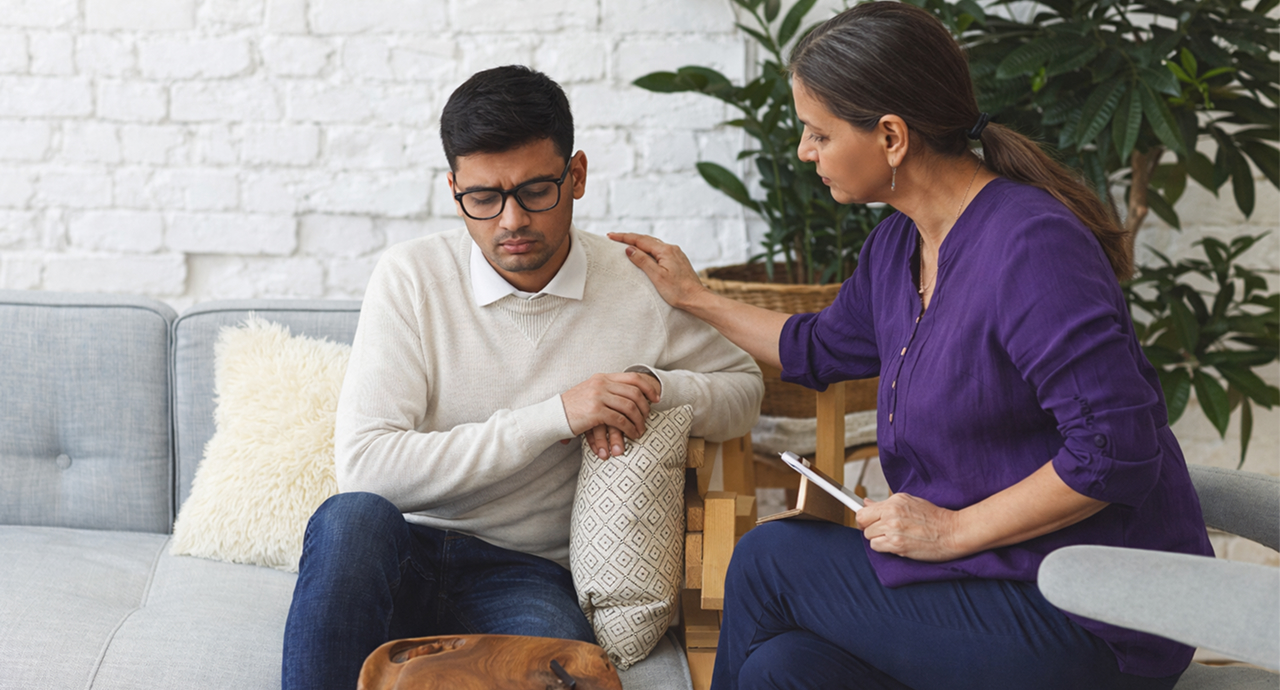
Professional support can focus on understanding your individual panic cycle rather than simply trying to suppress every uncomfortable sensation.
Depending on your circumstances and clinical needs, sessions may explore:
- Recognising early signs of escalating anxiety
- Understanding personal triggers
- Identifying catastrophic interpretations of physical sensations
- Developing grounding and calming strategies
- Understanding patterns of avoidance
- Building confidence in everyday situations
- Developing healthier responses to physical sensations
- Improving stress-management habits
- Understanding anticipatory anxiety
- Gradually rebuilding confidence in situations affected by panic
What We May Explore Together
Sessions can be tailored to your individual experience and may include:
- Your history of panic experiences
- Situations in which panic commonly occurs
- Physical sensations that you find particularly frightening
- Thoughts and interpretations associated with panic
- Fear of future panic attacks
- Checking and reassurance-seeking behaviours
- Avoidance patterns
- Work and relationship stress
- Sleep and lifestyle factors
- Existing coping strategies
- Ways of developing greater confidence and emotional stability
The aim is to understand the complete pattern surrounding panic rather than focusing only on the physical symptoms of an individual episode.
Building a Healthier Response to Panic
The goal is not necessarily to eliminate every physical sensation associated with anxiety. Instead, support may help you develop a more balanced and confident response when uncomfortable sensations appear.
This may involve learning to:
- Recognise physical sensations without immediately interpreting them as catastrophic
- Understand the connection between thoughts, emotions and physical responses
- Respond to anxiety without automatically escaping or avoiding
- Develop greater tolerance for uncomfortable sensations
- Use practical coping strategies during periods of increased anxiety
- Return gradually to meaningful activities that fear has affected
- Build confidence in your ability to handle difficult moments
- Recognise anticipatory anxiety before it becomes overwhelming
What May Progress Look Like?
Progress is different for every individual. Depending on your circumstances and support plan, it may involve:
- Understanding panic symptoms more clearly
- Feeling less frightened by anxiety-related sensations
- Reducing avoidance
- Reducing excessive monitoring of physical sensations
- Returning gradually to activities you have been avoiding
- Developing greater confidence in everyday situations
- Recovering more effectively after stressful moments
- Spending less time anticipating the next panic episode
- Feeling more comfortable travelling or participating in social activities
- Developing a greater sense of independence
Progress does not necessarily mean that you will never experience anxiety again. Anxiety is a normal human response. The aim is to develop a healthier relationship with anxiety and greater confidence in responding to uncomfortable experiences.
When Professional Evaluation Is Important
Because panic symptoms can overlap with symptoms of some medical conditions, new, severe, persistent or concerning physical symptoms should not automatically be attributed to anxiety.
If you experience symptoms that concern you, seek appropriate medical evaluation from a qualified healthcare professional.
If panic attacks are recurrent, cause significant distress or begin affecting your work, relationships, travel, social activities or daily life, a qualified mental-health professional can assess your situation and discuss appropriate evidence-based treatment options.
Frequently Asked Questions
Does Having One Panic Attack Mean I Have Panic Disorder?
No. Having a panic attack and having panic disorder are not the same thing. Panic attacks can occur in different circumstances, while panic disorder involves specific patterns of recurrent unexpected panic attacks together with ongoing concern or behavioural changes related to further attacks. A qualified professional can provide an appropriate assessment.
Can Panic Attacks Happen Unexpectedly?
Yes. Panic attacks can sometimes occur unexpectedly without an obvious immediate trigger. Other attacks may occur in response to particular situations, sensations or fears.
Can Fear of Another Panic Attack Make Things Worse?
Yes. Anticipatory fear can increase attention toward bodily sensations and everyday situations. This heightened monitoring may increase anxiety and potentially reinforce the panic cycle.
Can Panic Be Managed?
Many people learn effective ways to manage panic symptoms and reduce their impact with appropriate professional support. The most suitable approach depends on the individual's symptoms, circumstances and clinical needs.
Should I Avoid Places Where I Experienced Panic?
Avoidance can sometimes strengthen fear by preventing you from learning that a situation may be manageable. A qualified professional can help determine an appropriate and gradual approach based on your individual circumstances.
Can Panic Affect Everyday Independence?
Yes. Fear of experiencing another panic attack may lead some people to avoid travelling alone, attending social events or visiting unfamiliar places. With appropriate support, individuals can work toward gradually rebuilding confidence in these areas.
Take the First Step Toward Greater Confidence
Panic can make your world feel smaller, but understanding the cycle can be an important step toward rebuilding confidence and increasing your ability to participate in everyday life.
You do not need to understand every aspect of your panic before seeking support. A consultation can provide a structured opportunity to discuss your experiences, understand recurring patterns and explore appropriate next steps.
Book a Counselling Consultation
Book a consultation to discuss your experience and explore appropriate support for managing panic, anxiety and fear of future panic episodes.