
When Stress Stops Feeling Temporary
Stress is a normal response to challenging situations. It can help you respond to deadlines, responsibilities, uncertainty, and immediate demands.
The difficulty begins when stress becomes persistent, and you feel unable to switch off, recover, or return to a calmer state.
Chronic stress can affect emotional wellbeing, concentration, sleep, relationships, productivity, and physical functioning.
What Does Chronic Stress Feel Like?
You may feel:
- Constantly mentally busy
- Easily irritated
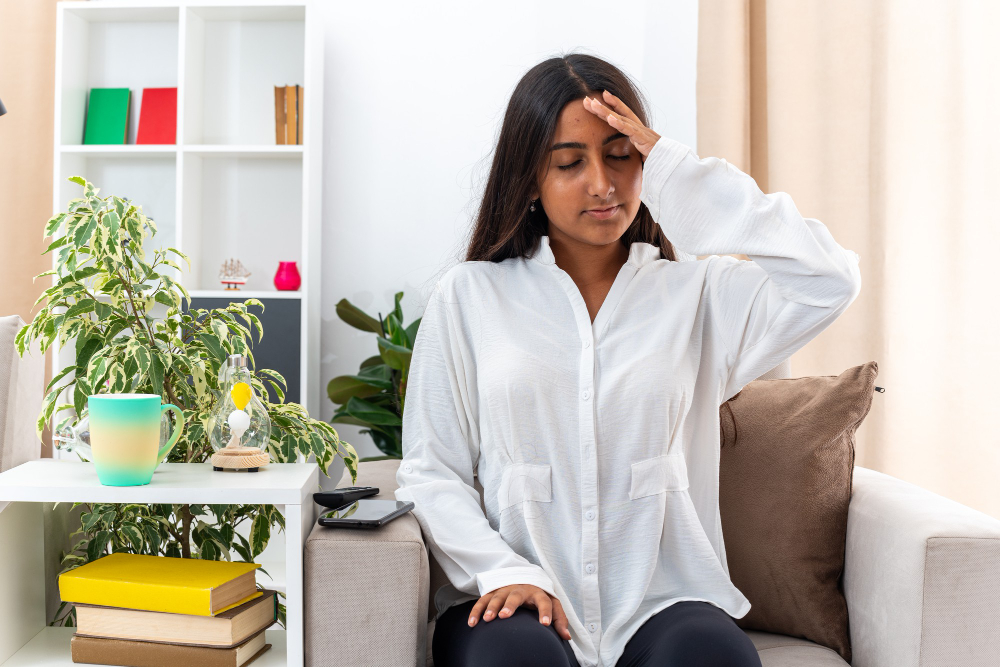
- Emotionally exhausted
- Unable to relax
- Overwhelmed by small tasks
- Physically tense
- Unable to concentrate
- Frequently tired
- Worried about upcoming responsibilities
- Guilty when resting
Common Signs
Emotional
- Irritability
- Frustration
- Anxiety
- Emotional exhaustion
- Reduced motivation
Cognitive
- Racing thoughts
- Difficulty concentrating
- Overthinking
- Indecision
- Negative thinking
Physical
- Muscle tension
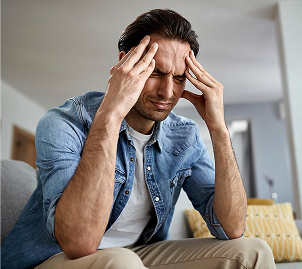
- Headaches
- Sleep disruption
- Fatigue
- Changes in appetite
Persistent stress can present differently from person to person, and physical symptoms should not automatically be assumed to be caused by stress.
What May Keep Stress Going?
Stress can become self-reinforcing:
Demand → Pressure → Reduced Recovery → Exhaustion → Reduced Coping Capacity → Greater Perception of Demand → More Pressure
Factors that may contribute include:
- Excessive workload
- Relationship difficulties
- Financial concerns
- Major life changes
- Lack of boundaries
- Perfectionism
- Poor sleep
- Constant availability
- Difficulty saying no
How Chronic Stress Can Affect Life
Long-term stress can influence different areas of daily life, including:
- Work performance
- Relationships
- Sleep
- Concentration
- Decision-making
- Motivation
- Emotional regulation
- Personal wellbeing
How Counselling Can Help
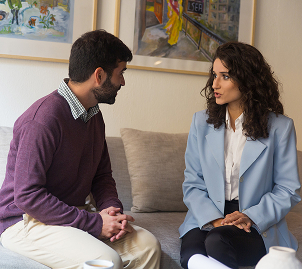
Counselling can provide a structured space to understand what is contributing to ongoing stress and develop healthier ways of responding to pressure.
Sessions may focus on:
- Identifying sources and patterns of stress
- Understanding individual stress responses
- Recognising unhelpful thinking patterns
- Improving personal and professional boundaries
- Developing healthier recovery routines
- Building emotional regulation skills
- Improving prioritisation and time-management strategies
- Developing more balanced responses to pressure
What Progress May Look Like
Progress can look different for each person. It may include:
- Recognising signs of stress earlier
- Taking meaningful breaks without excessive guilt
- Improved emotional regulation
- Healthier boundaries
- Greater mental clarity
- Improved sleep routines
- Increased ability to manage everyday demands
Frequently Asked Questions
Is all stress harmful?
No. Short-term stress can be an adaptive response that helps you respond to challenges. Problems may arise when stress becomes persistent or difficult to manage.
Why do I feel stressed even when nothing major is happening?
Accumulated demands, unresolved concerns, insufficient recovery, and learned stress responses can all contribute to ongoing feelings of pressure.
Can stress cause physical symptoms?
Stress can be associated with physical symptoms, but new, severe, unusual, or persistent physical symptoms should be evaluated appropriately rather than automatically attributed to stress.
Can lifestyle changes help with stress?
Healthy sleep habits, physical activity, social support, regular breaks, consistent routines, and other healthy behaviours can contribute to effective stress management.
Take the First Step
You do not have to wait until you are completely exhausted before taking your wellbeing seriously.
Understand what may be keeping your stress cycle active and begin developing healthier ways to respond to everyday pressure.
Book a Counselling Consultation
If ongoing stress is affecting your emotional wellbeing, relationships, sleep, concentration, or daily functioning, speaking with a qualified mental-health professional may provide useful support.